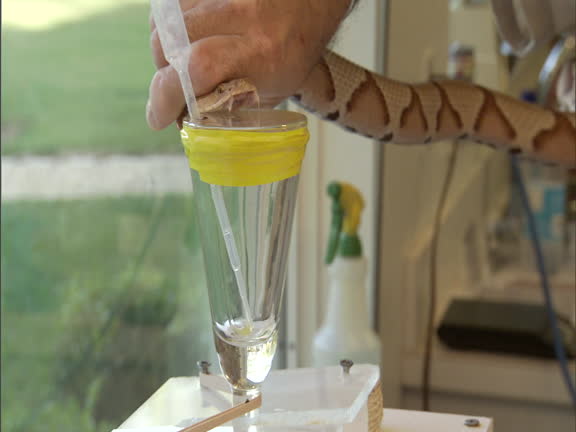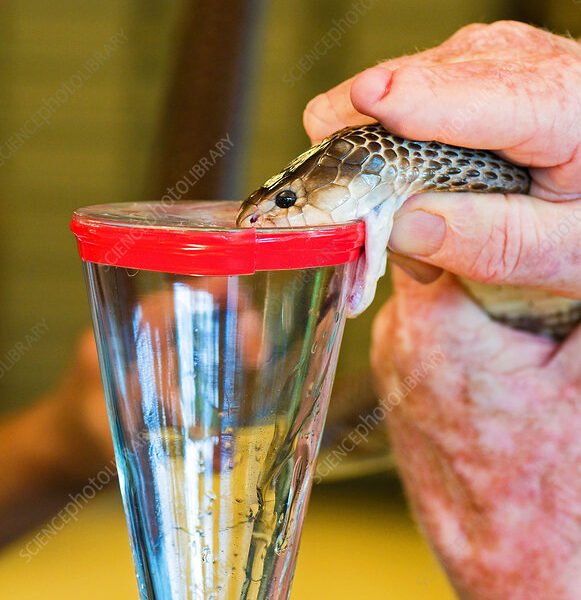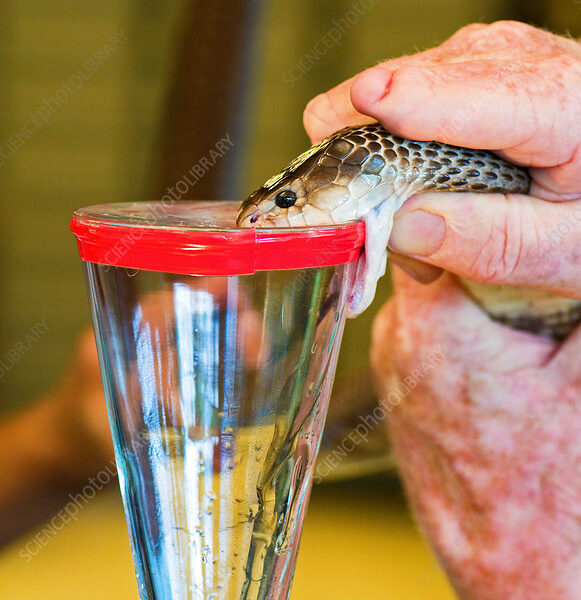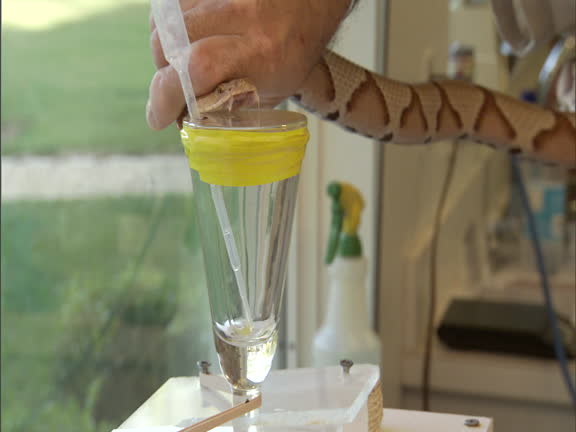
Daboia (Vipera) russelli siamensis venom produces a potent, complex venom that is a major cause of fatal snakebite across Southeast Asia. Its venom is primarily hemotoxic and vasculotoxic, but possesses significant neurotoxic and nephrotoxic components, leading to a severe, multi-system syndrome.
Key Specifications & Components:
Primary Enzymes: Potent procoagulant serine proteases (RVV-X and RVV-V), hemorrhagic metalloproteinases, phospholipases A2 (PLA2s), and kallikrein-like enzymes.
Mechanism & Effects:
Coagulopathy: The procoagulant enzymes rapidly activate Factor X and Factor V, consuming fibrinogen and causing disseminated intravascular coagulation (DIC), leading to profound incoagulable blood and subsequent hemorrhage.
Nephrotoxicity: A defining feature. PLA2s and coagulopathy-induced ischemia cause acute kidney injury, a leading cause of death.
Neurotoxicity: Presynaptic PLA2 neurotoxins (e.g., Russellysin) can cause ptosis, ophthalmoplegia, and, in severe cases, generalized muscle weakness or respiratory paralysis.
Local Effects: Significant swelling, blistering, pain, and potential necrosis due to vasculotoxic and cytotoxic actions.
Potency & Yield: Highly toxic (LD₅₀ ~0.08-0.31 µg/g mouse i.v.). Venom yield is high, averaging 130-250 mg (dry weight), with a maximum recorded over 260 mg.
Antivenom: Treatment requires specific monovalent or polyvalent antivenom effective against this subspecies, as its venom profile differs significantly from the Indian Russell’s viper (D. r. russelli).