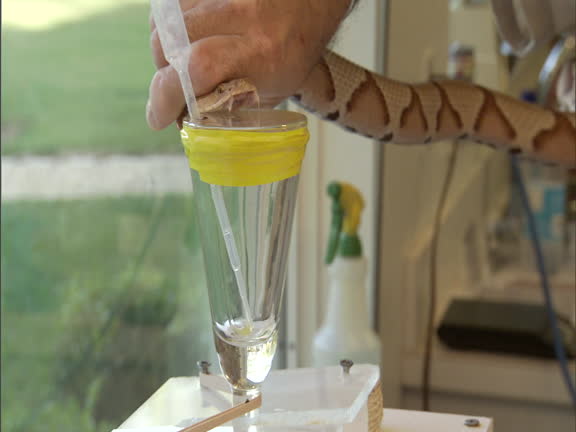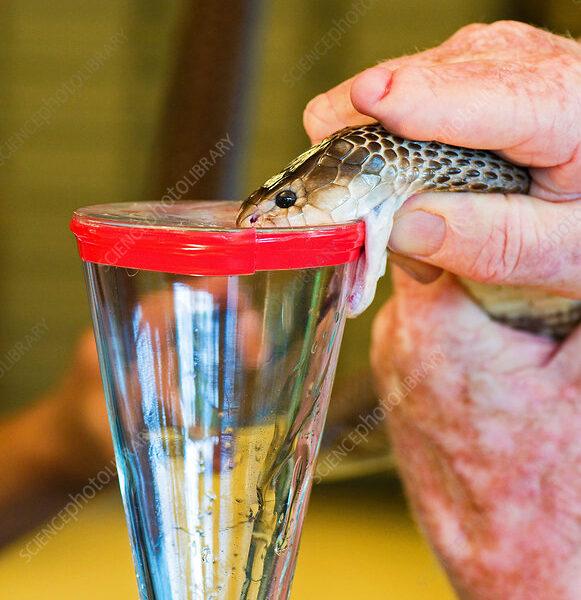
Agkistrodon bilineatus venom 1g (Common Cantil) possesses a potent hemotoxic venom, comparable in strength to many rattlesnakes. It is primarily composed of metalloproteinases and serine proteases, which cause significant tissue destruction (necrosis), swelling, and coagulopathy (disruption of blood clotting).
Envenomation can lead to severe local effects, including blistering, bruising, and potentially permanent damage. Systemic effects, while less common, may include hemorrhaging, hypotension, and renal complications. Bites are considered serious and require immediate medical attention, including the administration of appropriate antivenom.
The species is known for an aggressive defensive posture and its venom yield, while moderate, is sufficient to deliver a medically significant and potentially life-threatening bite.