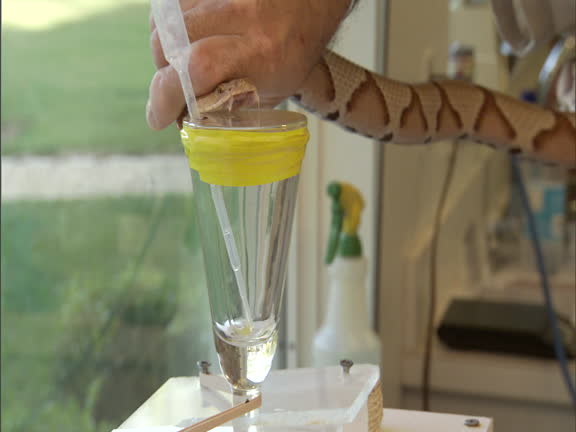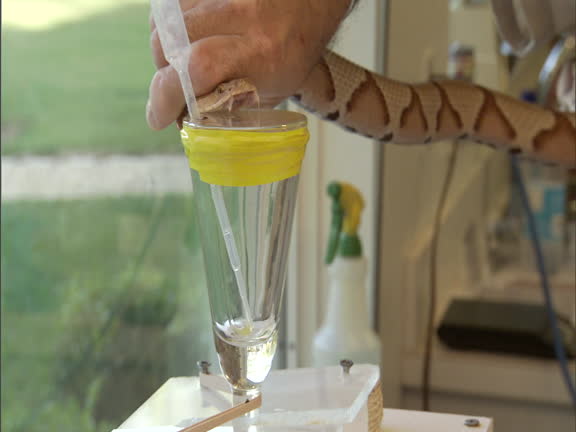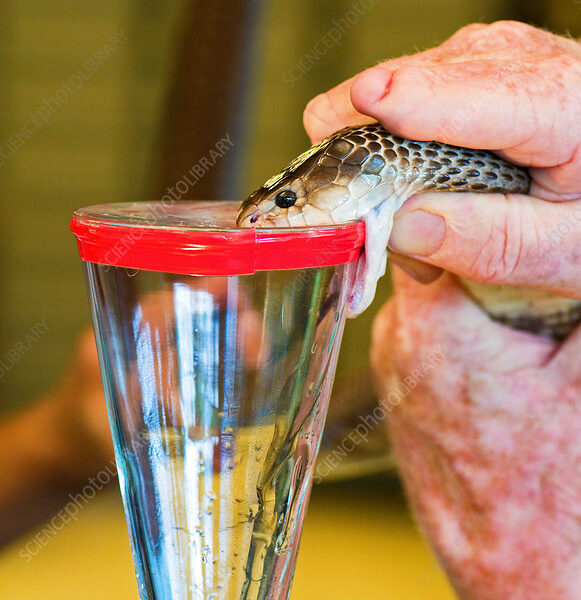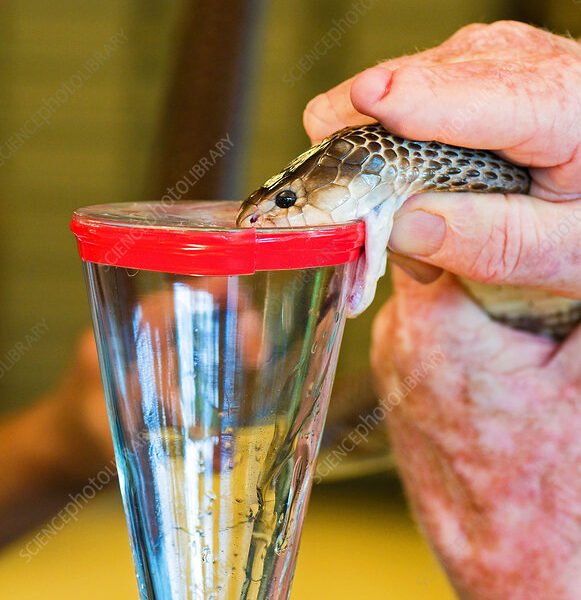
Naja annulifera haje venom (formerly N. haje annulifera), the Egyptian cobra, is a large, iconic elapid of northeastern Africa. Its venom is a potent neurotoxic and cytotoxic mixture, representing a significant public health threat. This non-spitting cobra can deliver a substantial venom yield in a defensive bite, requiring serious medical intervention.
Key Specifications & Components:
Primary Toxins: The venom is dominated by long-chain and short-chain postsynaptic α-neurotoxins, which competitively block nicotinic acetylcholine receptors at the neuromuscular junction. It also contains potent cytotoxic phospholipases A₂ (PLA₂s) and cardiotoxins.
Mechanism & Clinical Effects:
Neurotoxicity: Causes progressive, descending flaccid paralysis. Initial symptoms include ptosis, diplopia, and dysphagia, progressing to generalized weakness and potentially fatal respiratory failure.
Local Tissue Damage: The cytotoxic components cause significant local pain, swelling, blistering, and often extensive necrosis around the bite site, which can lead to long-term disability.
Other Effects: May cause hypotension and cardiac abnormalities due to cardiotoxins.
Potency & Yield: Venom is highly potent, with a murine LD₅₀ (intravenous) reported around 0.12 mg/kg. It delivers a high venom yield for a cobra, with an average of 175-300 mg (dry weight) and a maximum recorded over 600 mg.
Treatment: Immediate first aid includes pressure immobilization for systemic effects, though local necrosis complicates care. The SAIMR Polyvalent Antivenom (South Africa) or specific N. haje monovalent antivenom (if available) are used. Treatment focuses on airway support, antivenom administration, and meticulous wound care for local necrosis.