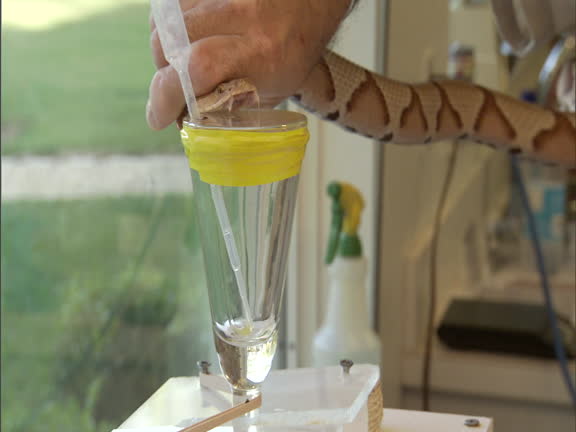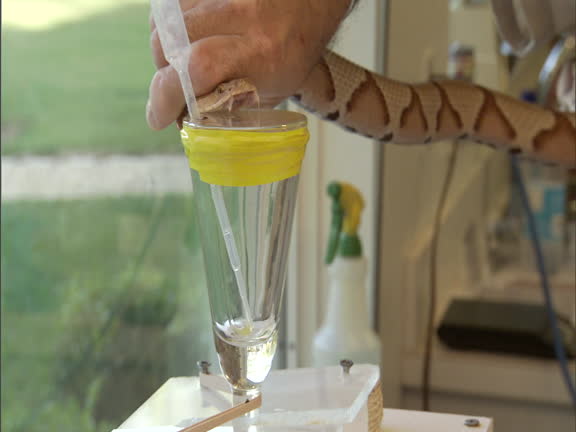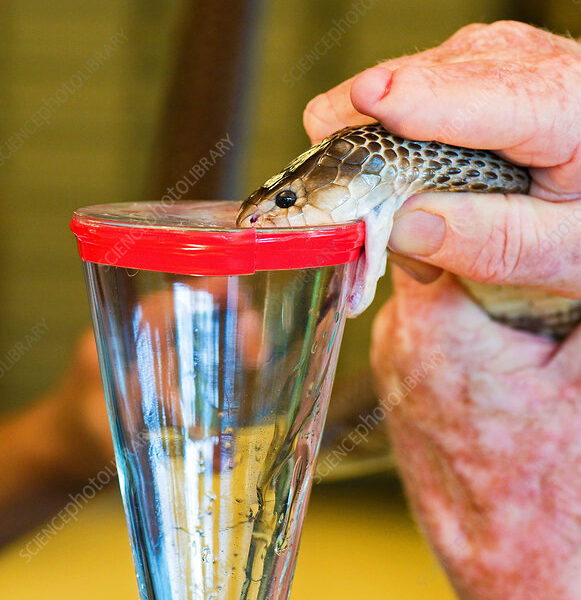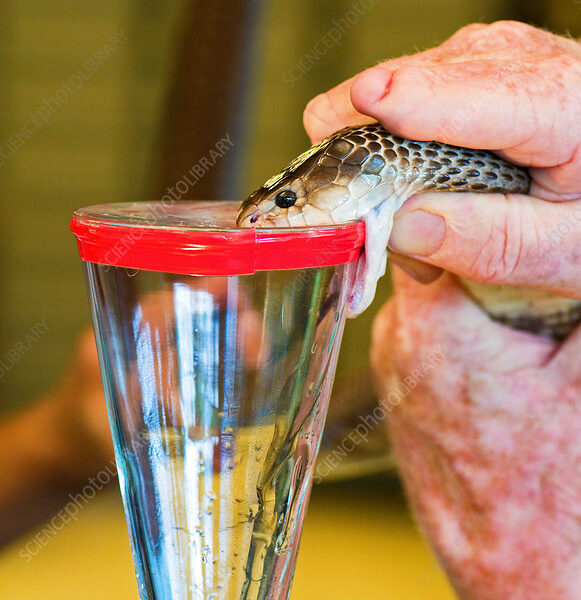
Laticauda colubrina venom, the banded or yellow-lipped sea krait, is a fully marine, amphibious elapid snake. Its venom is potently neurotoxic, adapted for immobilizing its primary prey—moray and conger eels—in the water. Despite its high toxicity, the snake is generally docile, leading to rare human envenomations, which are nevertheless considered serious medical emergencies.
Key Specifications & Components:
Primary Toxins: The venom is dominated by short-chain and long-chain postsynaptic α-neurotoxins. These bind irreversibly to nicotinic acetylcholine receptors at the neuromuscular junction, causing flaccid paralysis.
Supporting Enzymes: Contains phospholipases A₂ (PLA₂s), which synergize with and potentiate the neurotoxins, and may contribute to myotoxicity (muscle damage).
Mechanism & Clinical Effects: Envenomation primarily presents as a progressive, descending flaccid paralysis. Symptoms include ptosis, diplopia, dysphagia, and generalized weakness, which can culminate in respiratory failure—the main cause of death. Significant local effects (swelling, necrosis) are minimal or absent, distinguishing it from many terrestrial vipers.
Potency & Yield: The venom is extremely potent, with a murine LD₅₀ (subcutaneous) as low as 0.04 mg/kg, making it one of the most toxic snake venoms. However, average venom yield is low, typically 5-15 mg (dry weight), reflecting its small fangs and primary use on fish prey.
Medical Importance: Treatment is supportive, with a priority on securing the airway and ventilation. Sea snake antivenom (CSL Ltd., raised against Hydrophis schistosus) is effective and should be administered for systemic signs.