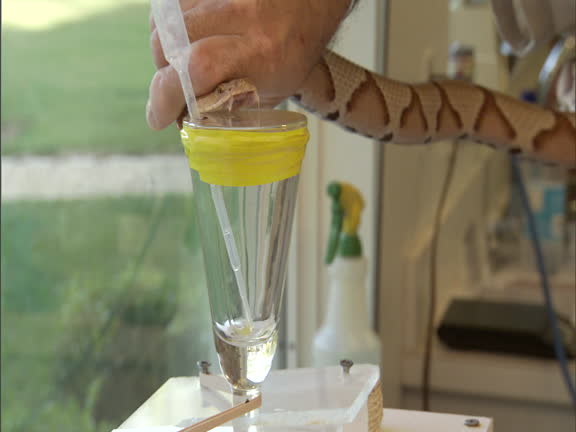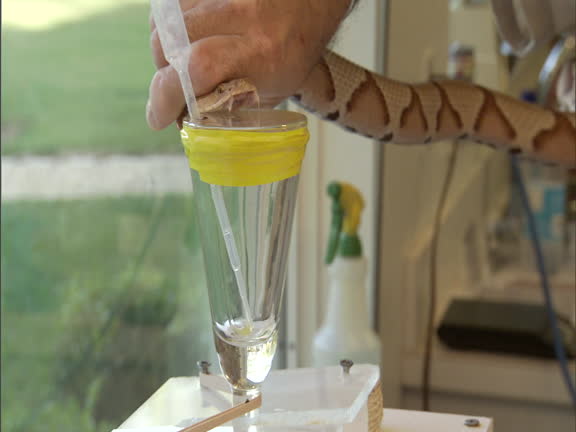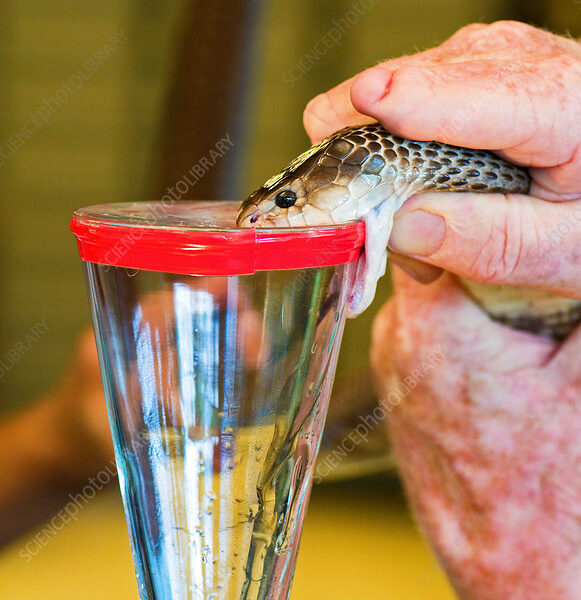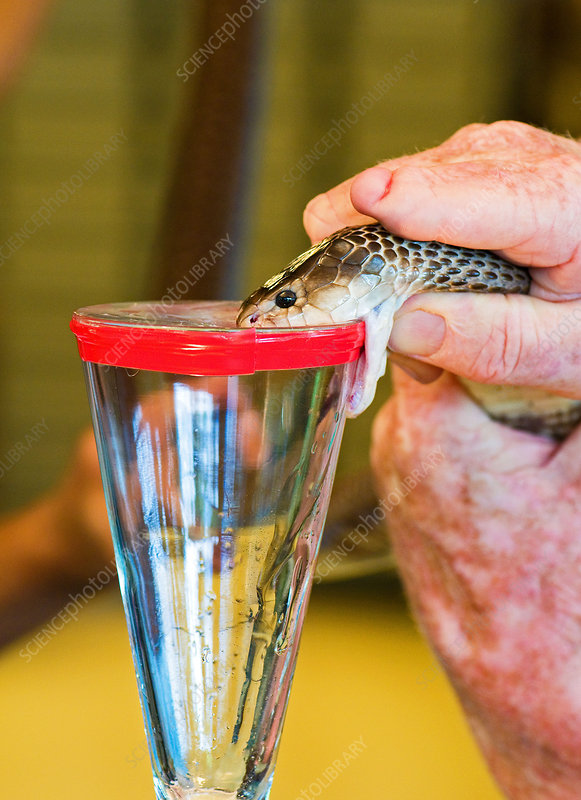
Micropechis ikaheka venom is a highly venomous elapid endemic to New Guinea, notorious for its potent, complex venom and aggressive defensive behavior. It is a leading cause of serious and fatal snakebites in the region, particularly in rural, agricultural settings. Its “small-eyed” appearance and potent bite contribute to its feared local reputation.
Key Specifications & Components:
Primary Toxins: The venom is a complex mixture of both presynaptic and postsynaptic neurotoxins, along with potent myotoxins and coagulopathic factors. This multi-faceted attack makes it particularly dangerous.
Mechanism & Clinical Effects:
Neurotoxicity: Causes progressive, descending flaccid paralysis, potentially leading to respiratory failure.
Myotoxicity: Severe and rapid muscle damage (rhabdomyolysis) releases myoglobin, which can cause acute kidney injury and dark urine.
Coagulopathy: May induce a consumptive coagulopathy, similar to disseminated intravascular coagulation (DIC), leading to systemic bleeding.
Potency & Yield: The venom is extremely potent, with a murine LD₅₀ (subcutaneous) reported between 0.05 – 0.10 mg/kg. It delivers a moderate to high venom yield for an elapid (often 50-150 mg dry weight), amplifying the danger of a bite.
Treatment: The primary medical intervention is pressure immobilization first aid and rapid transport. The specific Papuan Taipan antivenom (CSL Ltd.) is effective and is the recommended treatment for systemic envenomation. Management often requires intensive supportive care for paralysis, renal failure, and coagulopathy.