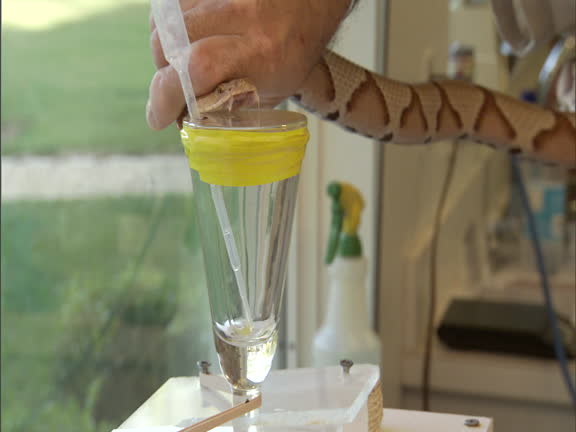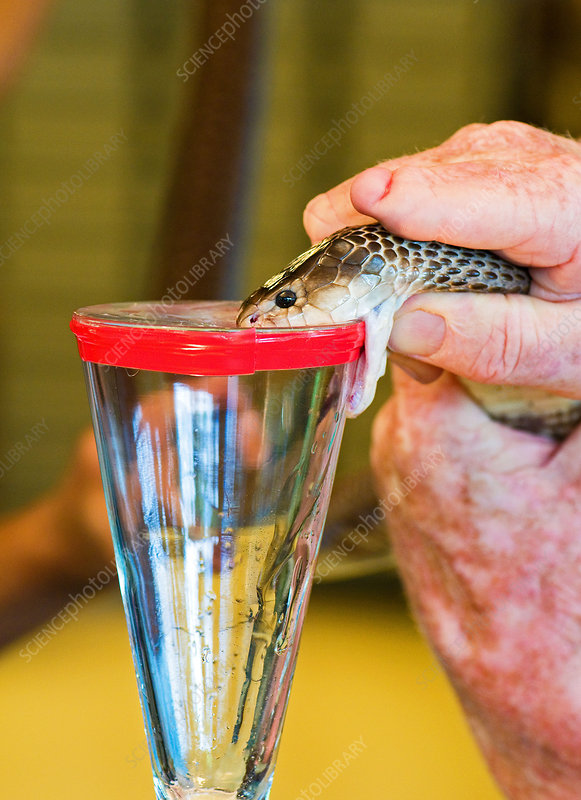
Calloselasma rhodostoma venom, the Malayan Pit Viper, produces a potent hemotoxic venom renowned for its profound and rapid local effects, making it a leading cause of snakebite morbidity in Southeast Asia.
Key Components & Specifications:
-
Primary Enzymes: A unique, powerful thrombin-like enzyme (Rhodostomin) acts as a defibrinogenating agent. It rapidly depletes fibrinogen, leading to incoagulable blood, which is a primary diagnostic sign. It also contains potent hemorrhagins (metalloproteinases) and necrotoxins.
-
Mechanism: The venom primarily disrupts the coagulation cascade and damages capillary walls, causing local hemorrhage, severe swelling, and blistering.
-
Clinical Effects: Bites cause immediate, intense local pain followed by progressive swelling, bruising, and tissue necrosis (in ~30% of untreated cases). Systemic effects include spontaneous systemic bleeding (e.g., gums), hematuria, and non-clotting blood, but neurotoxicity is minimal.
-
Potency & Yield: Considered highly toxic with a moderate venom yield (average 40-60mg dry weight). Its defibrinogenating action is extremely rapid.
-
Medical Importance: A specific monovalent antivenom is produced in Thailand and is highly effective if administered promptly. Due to its slow movement, this snake is responsible for frequent agricultural and occupational bites.