


Venom is a specialized secretion produced by certain animals, such as snakes, spiders, scorpions, and some insects. It is typically injected into prey or enemies through bites, stings, or other specialized structures. Venoms are complex mixtures of various bioactive compounds, including proteins, peptides, enzymes, and toxins.
The purpose of venom varies among species and can include immobilizing or killing prey, defense against predators, or competition with other individuals. Venomous animals have evolved different mechanisms for delivering their venom, such as fangs, stingers, or spines.
Venoms can have a range of effects on the target organism, including neurotoxic, hemotoxic, cytotoxic, or proteolytic effects. Some venoms can disrupt the nervous system, interfere with blood clotting, cause tissue damage, or induce pain.
While venoms can be harmful and pose risks to humans, they also have significant medical and scientific importance. Components of venom have been used in the development of drugs and treatments for various conditions, such as pain management, cardiovascular disorders, and cancer research.
Studying venoms and their components helps scientists better understand their mechanisms of action, evolutionary adaptations, and potential therapeutic applications. However, it is important to handle venomous animals with caution and seek immediate medical attention if bitten or stung by a venomous creature.
-
 Quick View$288.00 – $1,380.00Price range: $288.00 through $1,380.00
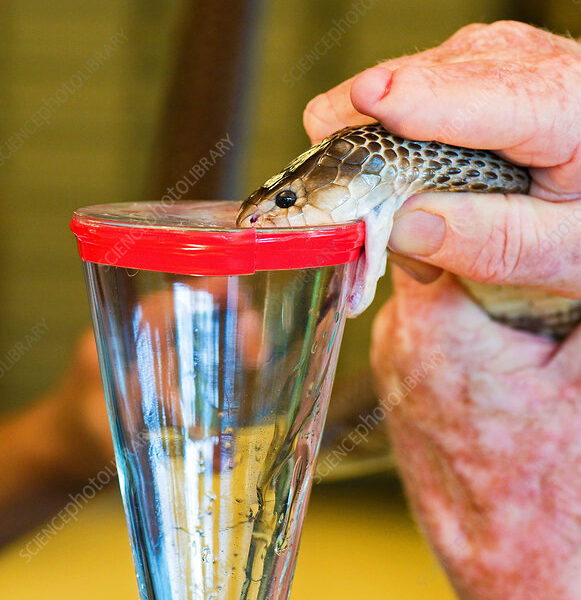
Pseudechis papuanus venom, the Papuan black snake, is a large, robust elapid endemic to southern New Guinea. It is a medically important species known for its potent, complex venom that causes significant systemic and local tissue damage. Encounters are relatively frequent in its range, and its bites require urgent medical attention. Key Specifications & Components: […]
-
 Quick View$160.00 – $700.00Price range: $160.00 through $700.00
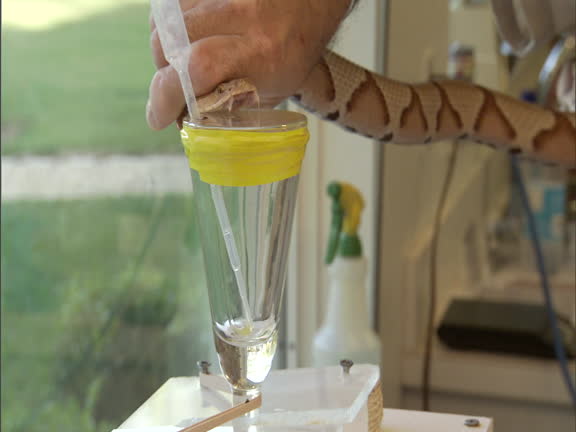
Bufo melanostictus venom, the Asian common toad or black-spined toad, is not venomous in the traditional sense but is highly poisonous. Its toxic secretions are a complex chemical defense against predation, posing a significant risk to domestic animals and potentially to humans through ingestion or mucous membrane contact. It is not a biting threat. Key […]
-
 Quick View$250.00
Naja annulifera haje venom (formerly N. haje annulifera), the Egyptian cobra, is a large, iconic elapid of northeastern Africa. Its venom is a potent neurotoxic and cytotoxic mixture, representing a significant public health threat. This non-spitting cobra can deliver a substantial venom yield in a defensive bite, requiring serious medical intervention. Key Specifications & Components: […]
-
 Quick View$390.00 – $1,700.00Price range: $390.00 through $1,700.00
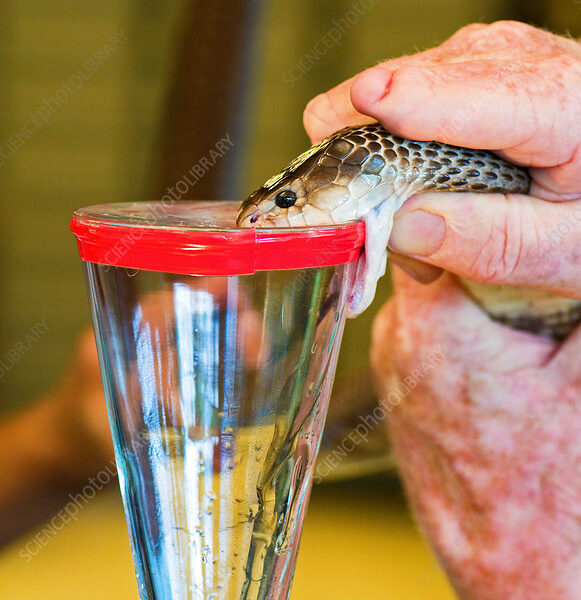
Pseudechis papuanus venom, the Papuan black snake, is a large, robust elapid endemic to southern New Guinea. It is a medically important species known for its potent, complex venom that causes significant systemic and local tissue damage. Encounters are relatively frequent in its range, and its bites require urgent medical attention. Key Specifications & Components: […]
-
 Quick View$400.00 – $1,500.00Price range: $400.00 through $1,500.00
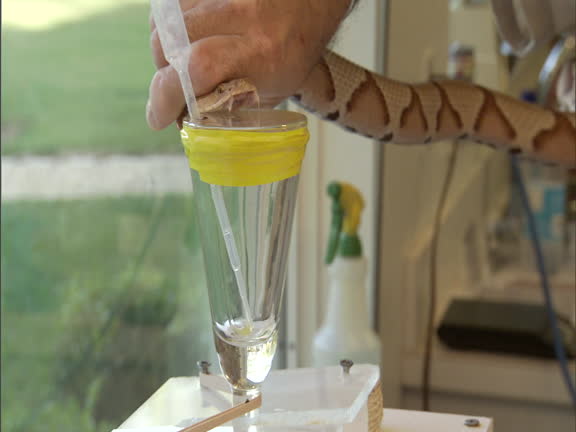
Oxyuranus scutellatus canni, the Papuan Taipan, is an exceptionally large, fast-moving elapid and the most dangerous snake in New Guinea. Its venom is a rapid-acting, potent neurotoxic and procoagulant cocktail, causing severe and often fatal envenomations that require urgent medical intervention. Key Specifications & Components: Primary Toxins: Dominated by a powerful presynaptic neurotoxin (taipoxin) and […]
-
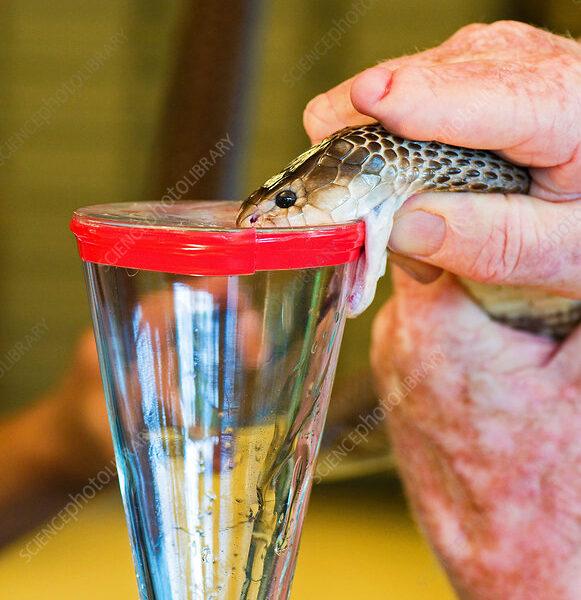 Quick View$500.00 – $2,000.00Price range: $500.00 through $2,000.00
Micropechis ikaheka venom is a highly venomous elapid endemic to New Guinea, notorious for its potent, complex venom and aggressive defensive behavior. It is a leading cause of serious and fatal snakebites in the region, particularly in rural, agricultural settings. Its “small-eyed” appearance and potent bite contribute to its feared local reputation. Key Specifications & […]
-
 Quick View$500.00 – $2,000.00Price range: $500.00 through $2,000.00
Laticauda colubrina venom, the banded or yellow-lipped sea krait, is a fully marine, amphibious elapid snake. Its venom is potently neurotoxic, adapted for immobilizing its primary prey—moray and conger eels—in the water. Despite its high toxicity, the snake is generally docile, leading to rare human envenomations, which are nevertheless considered serious medical emergencies. Key Specifications […]
-
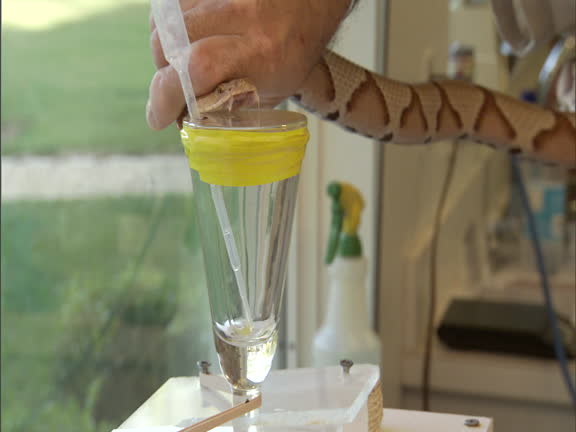 Quick View$600.00 – $2,500.00Price range: $600.00 through $2,500.00
Daboia (Vipera) russelli siamensis venom produces a potent, complex venom that is a major cause of fatal snakebite across Southeast Asia. Its venom is primarily hemotoxic and vasculotoxic, but possesses significant neurotoxic and nephrotoxic components, leading to a severe, multi-system syndrome. Key Specifications & Components: Primary Enzymes: Potent procoagulant serine proteases (RVV-X and RVV-V), hemorrhagic […]
-
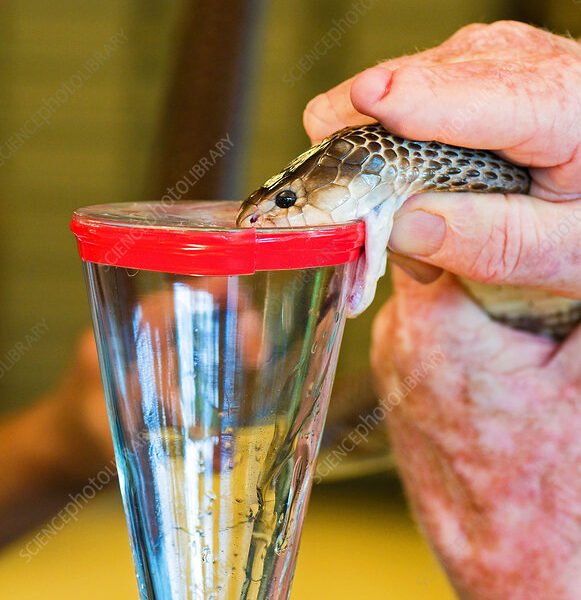 Quick View$170.00 – $300.00Price range: $170.00 through $300.00
Calloselasma rhodostoma venom, the Malayan Pit Viper, produces a potent hemotoxic venom renowned for its profound and rapid local effects, making it a leading cause of snakebite morbidity in Southeast Asia. Key Components & Specifications: Primary Enzymes: A unique, powerful thrombin-like enzyme (Rhodostomin) acts as a defibrinogenating agent. It rapidly depletes fibrinogen, leading to incoagulable […]
-
 Quick View$230.00
Agkistrodon bilineatus venom 1g (Common Cantil) possesses a potent hemotoxic venom, comparable in strength to many rattlesnakes. It is primarily composed of metalloproteinases and serine proteases, which cause significant tissue destruction (necrosis), swelling, and coagulopathy (disruption of blood clotting). Envenomation can lead to severe local effects, including blistering, bruising, and potentially permanent damage. Systemic effects, […]
-
 Quick View$422.00
Phoneutria nigriventer -Venom 1mg Dominated by small peptide ligands and polyamines, this Phoneutria nigriventer -Venom 1mg signal though a variety of receptors such as GPCRs, ion channels and kinases. Theraphosid, araneomorph and other spider venom for sale. Categories Spider Venoms Purity 1-10KDa peptides predominate in a lot of the venoms, with larger peptides, proteins and […]